Goa's Architectural Heritage
Goa, with its rich history, vibrant culture, and stunning landscapes, has always been a source of inspiration for architects and designers. This coastal paradise is a melting pot of diverse influences, and its architectural heritage is a testament to this unique blend. In this blog, we delve into the architectural heritage of Goa, exploring its unique styles, influences, and enduring impact on contemporary design. We will discuss the influence of Portuguese architecture in Goa, the local Baroque of Goa, Hindu temple architecture, and the architectural designs of contemporary Goa.
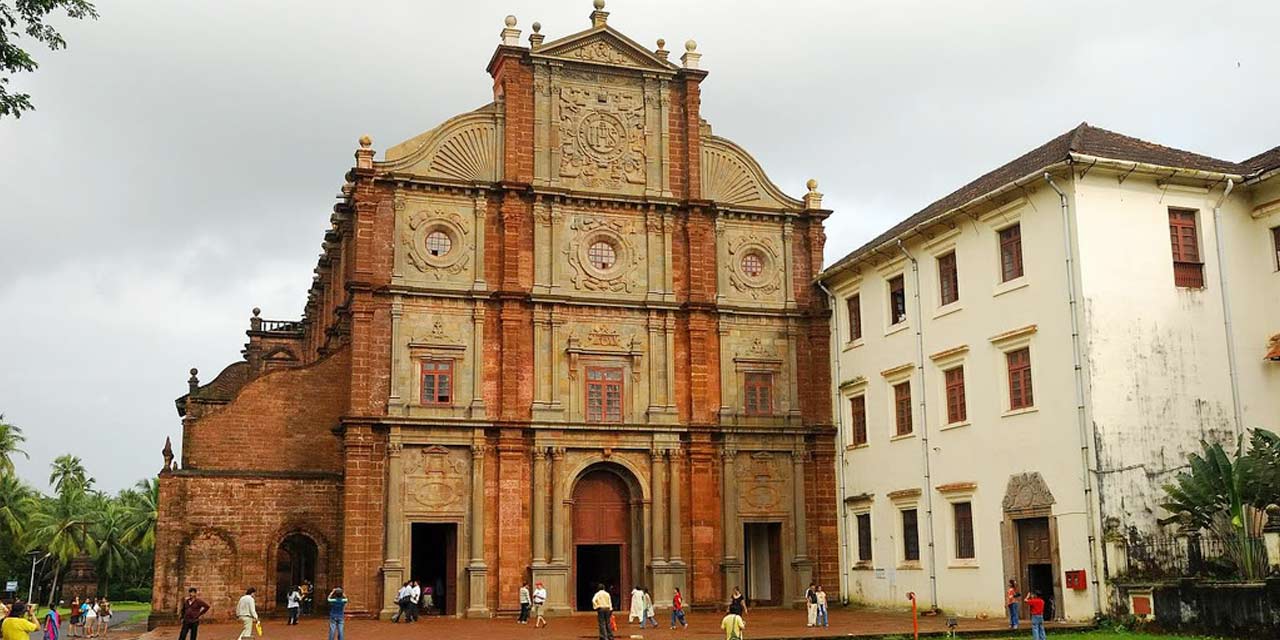
Portuguese Colonial Architecture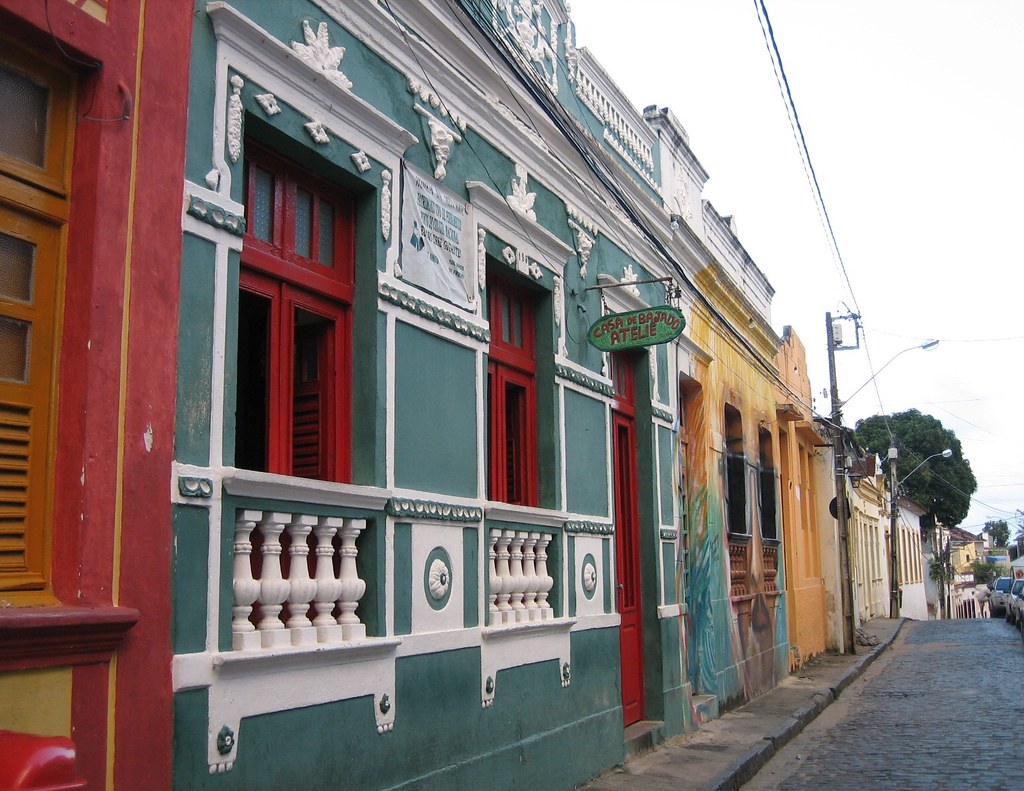 The arrival of the Portuguese in Goa in the 16th century marked the beginning of a new era in the region’s architectural landscape. The Portuguese brought with them a distinct architectural style that blended European sensibilities with local traditions. This fusion is most evident in the grand churches and cathedrals that dot the Goan landscape, many of which have been recognized as UNESCO World Heritage Sites.
Iconic structures like the Basilica of Bom Jesus and the Sé Cathedral in Old Goa are prime examples of Portuguese Colonial architecture. The Basilica of Bom Jesus, famous for housing the relics of St. Francis Xavier, is a striking example of Baroque architecture with its ornate façade, intricate altars, and detailed woodwork. The Sé Cathedral, one of the largest churches in Asia, is a stunning blend of Tuscan, Corinthian, and Baroque styles, showcasing the grandeur and influence of the Portuguese in Goa.
Goan Baroque Architecture
Goa's adaptation of Baroque architecture, often referred to as Goan Baroque, is a fascinating study of cultural fusion. The Baroque style, known for its exuberance and grandeur, was modified by local artisans to create something uniquely Goan.
The Goan Baroque is characterized by ornate facades adorned with intricate carvings, vibrant colors, and a harmonious blend of European and Indian motifs. These features can be seen in the various chapels and convents scattered across the state. The interiors of these structures often feature elaborate altars, gilded woodwork, and intricate frescoes, reflecting the artistic prowess of local craftsmen.
Hindu Temple Architecture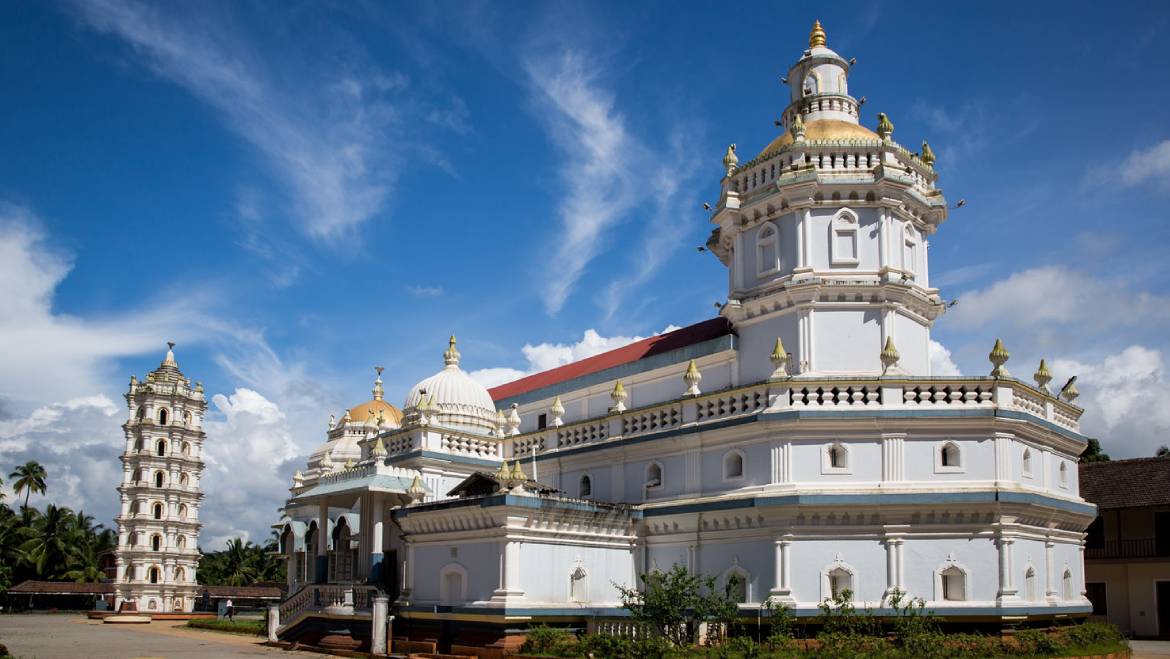 While the Portuguese influence is significant, Goa’s architectural heritage is also deeply rooted in its Hindu traditions. The traditional Hindu temple architecture in Goa is a blend of indigenous styles and external influences, resulting in structures that are both spiritually significant and architecturally distinctive.
 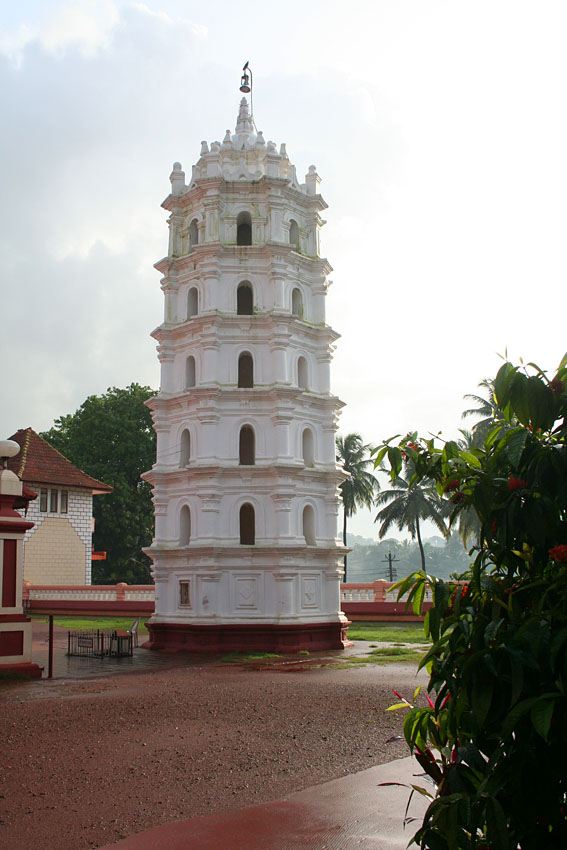 Goan temples often feature pyramidal roofs, wooden carvings, and deepastambhas (lamp towers). Temples like the Shanta Durga Temple and the Mangeshi Temple are prime examples of this unique style. These temples are known for their vibrant exteriors, intricate carvings, and the use of locally available materials, which lend them a distinct regional character. The architectural elements of Goan temples are rich in symbolism, with every aspect of the temple design reflecting the spiritual beliefs and rituals of the region.
Contemporary Architecture
In recent years, contemporary architects and designers have begun to draw inspiration from Goa’s rich architectural heritage. By incorporating traditional elements into modern designs, these professionals are creating spaces that are both innovative and deeply rooted in the local context.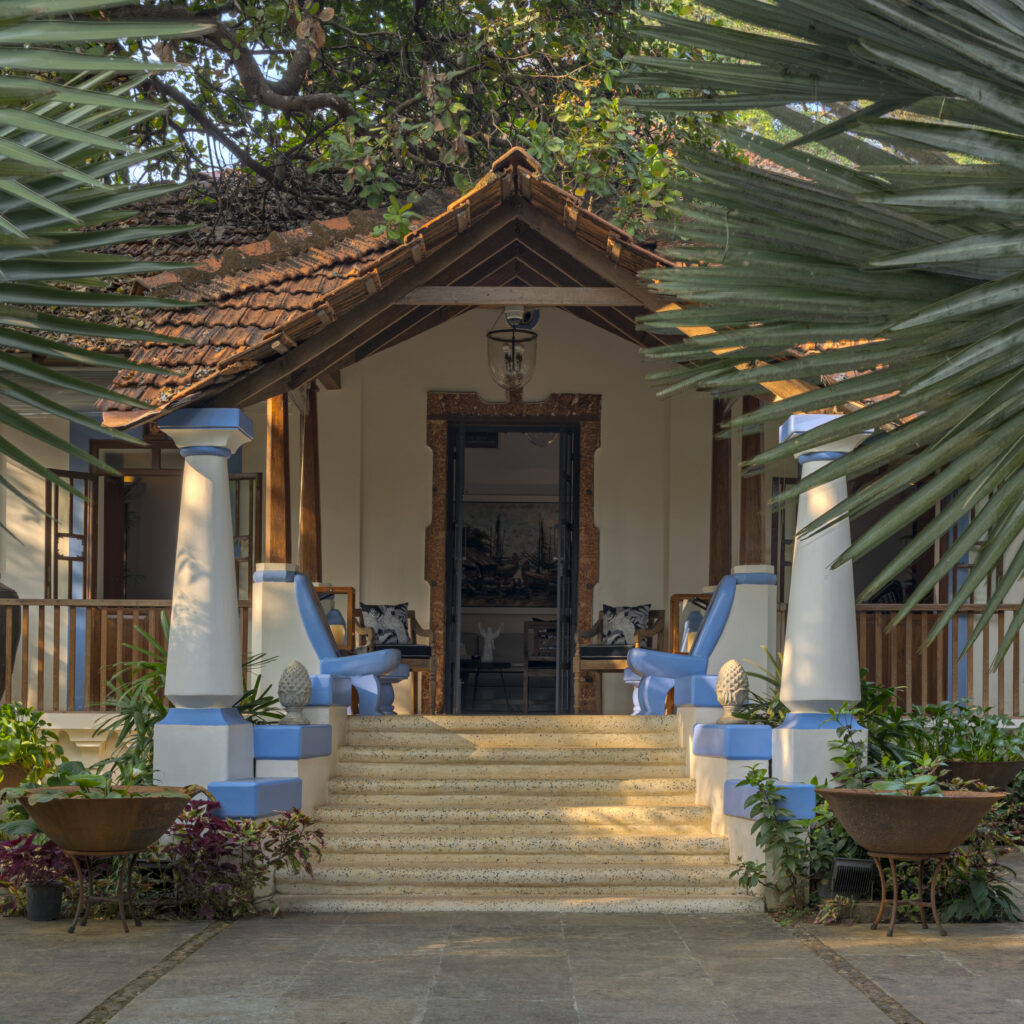 Contemporary Goan architecture often blends the old with the new, using traditional materials and techniques alongside modern design principles. Sustainable practices are also becoming increasingly important, with architects focusing on eco-friendly designs that respect Goa’s natural environment. This fusion of old and new is evident in the design of modern homes, hotels, and public spaces across the state.
Goa’s architectural heritage is a testament to its rich history and cultural diversity. From the grandeur of Portuguese Colonial structures to the vibrant and symbolic designs of Hindu temples, this blog of architectural styles of Goa aims to offer a glimpse into the region’s past. By understanding and appreciating these traditions, architects and designers can create spaces that are not only aesthetically pleasing but also deeply connected to the local context. In this way, Goa’s architectural legacy continues to evolve, shaping the future while honouring the past.