Contemporary Goan Design: A Fusion of Tradition and Modernity
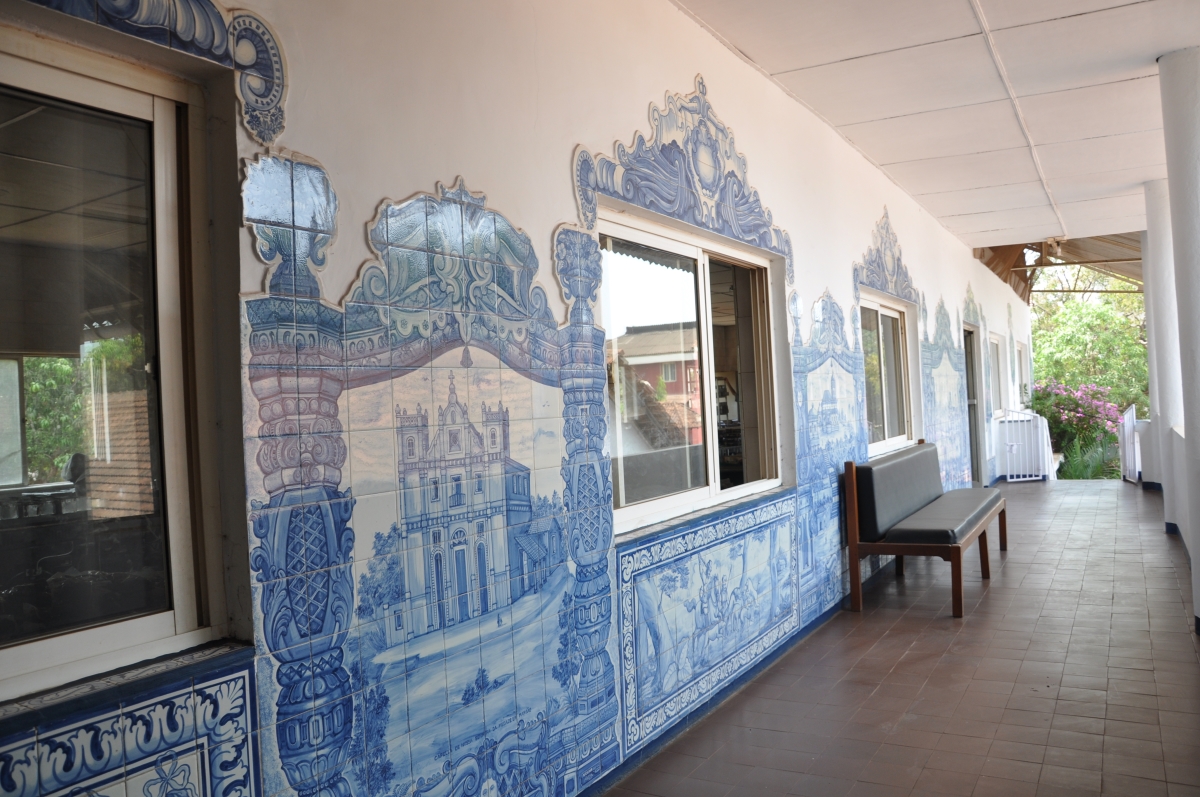
Contemporary Goan design is a captivating blend of traditional elements and modern aesthetics. As the world of architecture and interior design evolves, professionals in Goa are finding innovative ways to integrate the region’s rich cultural heritage into modern spaces. In this blog, we explore how architects and designers are combining traditional Goan influences with contemporary design principles to create unique and inspiring environments.
Reinterpreting Traditional Motifs
One of the most intriguing aspects of contemporary Goan design is the reinterpretation of traditional motifs and patterns in modern contexts. Designers are skillfully weaving elements of Goa’s cultural heritage into contemporary spaces, giving age-old designs a fresh, new perspective.For instance, traditional Goan tilework, known for its vibrant colours and intricate patterns, is finding its way into modern bathrooms and kitchens. These tiles, often featuring floral and geometric designs, add a touch of history and artistry to contemporary settings. Similarly, traditional woodcarvings, which have adorned Goan homes for centuries, are being incorporated into modern furniture designs. By blending these traditional elements with sleek, contemporary lines, designers are creating pieces that are both timeless and current.
Combining Old and New Materials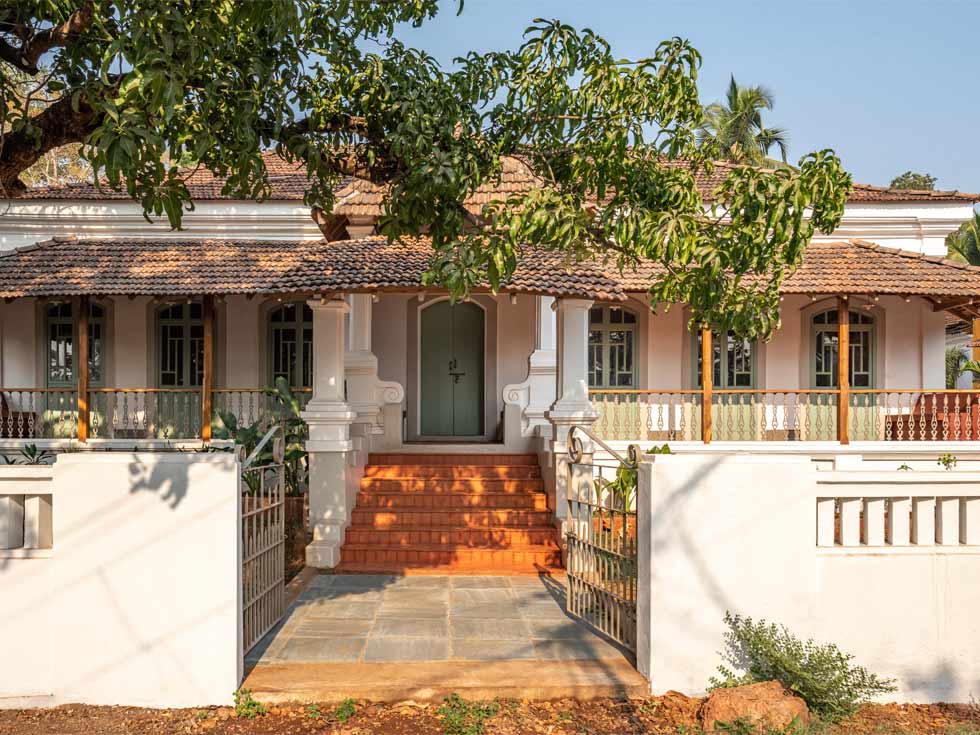
The fusion of traditional and modern materials is another hallmark of contemporary Goan design. Goa’s architectural history is rich with the use of materials like laterite stone and teak wood, which are now being combined with modern materials such as glass and steel to create spaces that are both visually striking and functional. Laterite stone, known for its warm, earthy tones, is being used alongside glass to create stunning contrasts in modern homes and commercial spaces. The juxtaposition of the rough, natural texture of laterite with the sleek, reflective quality of glass creates a dynamic interplay of old and new. Similarly, teak wood, revered for its durability and rich grain, is being paired with steel to craft furniture and structural elements that marry tradition with modernity. These combinations not only enhance the aesthetic appeal of a space but also ensure that it remains connected to its cultural roots.
Preserving Historical Buildings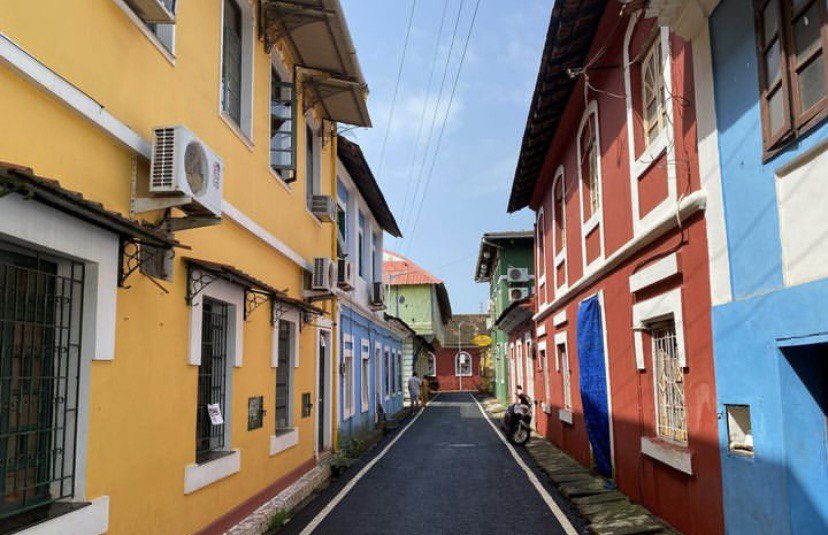
Preserving Goa’s historical buildings is crucial to maintaining the region’s architectural heritage, and contemporary design plays a significant role in this effort. Architects and designers are employing techniques like adaptive reuse and restoration to breathe new life into these structures, ensuring they remain relevant in today’s world while retaining their historical significance. Adaptive reuse involves repurposing old buildings for new functions, such as converting an old Goan mansion into a boutique hotel or a heritage home into a modern art gallery. This approach not only preserves the building’s architectural integrity but also gives it a new lease on life. Restoration, on the other hand, focuses on meticulously repairing and maintaining historical structures to their original glory, often with subtle modern updates that make them functional for contemporary use. These efforts are essential in preserving Goa’s architectural heritage while integrating it into the fabric of modern life.
Creating a Sense of Place
Contemporary Goan design is not just about aesthetics; it’s about creating a strong sense of place and connection to the local culture. By thoughtfully blending traditional and modern elements, designers can create spaces that feel distinctly Goan, even in a contemporary setting. This sense of place is achieved through the use of locally sourced materials, traditional craftsmanship, and design elements that reflect Goa’s unique cultural identity. Whether it’s through the use of traditional Goan colors, such as the deep blues and greens of the sea, or the incorporation of local art and textiles, contemporary Goan design is deeply rooted in its surroundings. This connection to place not only enhances the authenticity of the space but also fosters a sense of belonging and continuity for those who inhabit it.