Natural Balance
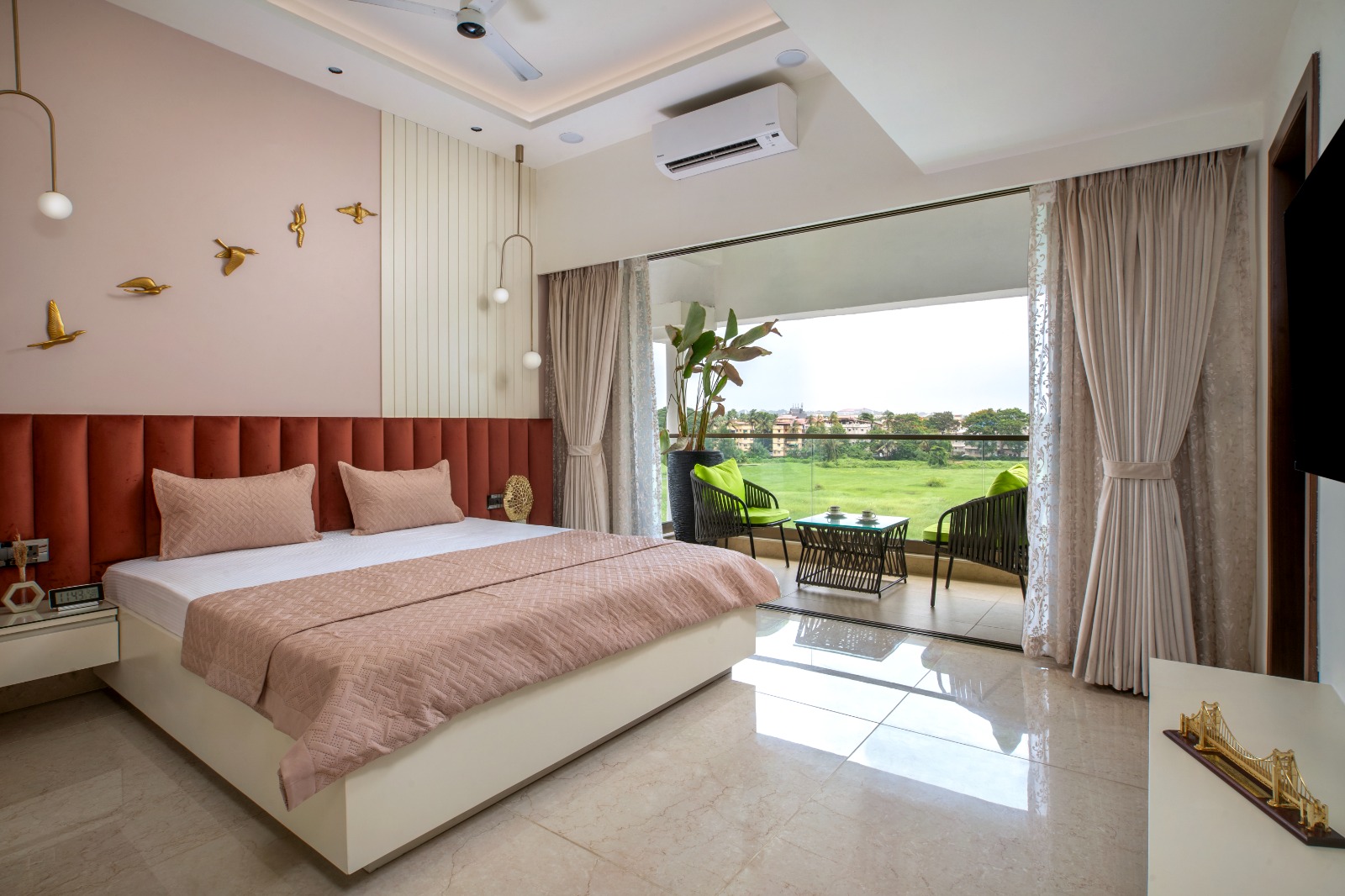
In today’s fast-paced world, where the demands of work and daily life often leave little room for pause, the spaces we inhabit play a crucial role in fostering relaxation and well-being. A harmonious blend of indoor and outdoor living can transform our homes into sanctuaries that nurture both body and mind. Thoughtfully designed interiors bridge the gap between the natural world and the indoors, creating environments that are not only visually appealing but also deeply restorative.
The importance of selecting the right furnishings are the cornerstone of such spaces. Soft, comfortable seating invites you to linger, while carefully curated greenery acts as a bridge between the indoors and the outdoors. The tactile pleasure of natural materials like wood or rattan, paired with plush cushions in calming tones, enhances the sensory experience. Strategic placement of potted plants and cascading vines introduces a layer of tranquility, encouraging interaction with nature. Whether it’s the morning light filtering through the leaves or the soothing sounds of rustling foliage, these details bring the outdoors closer, offering an instant mood lift.
Spaces designed with nature at their heart remind us of its unparalleled ability to heal and restore. Time spent in such environments reduces stress, improves focus, and fosters a deep sense of connection to the world around us. When we step into nature, we are met with an invitation to pause, breathe deeply, and savor the present moment.
 Why it's important and beneficial for you
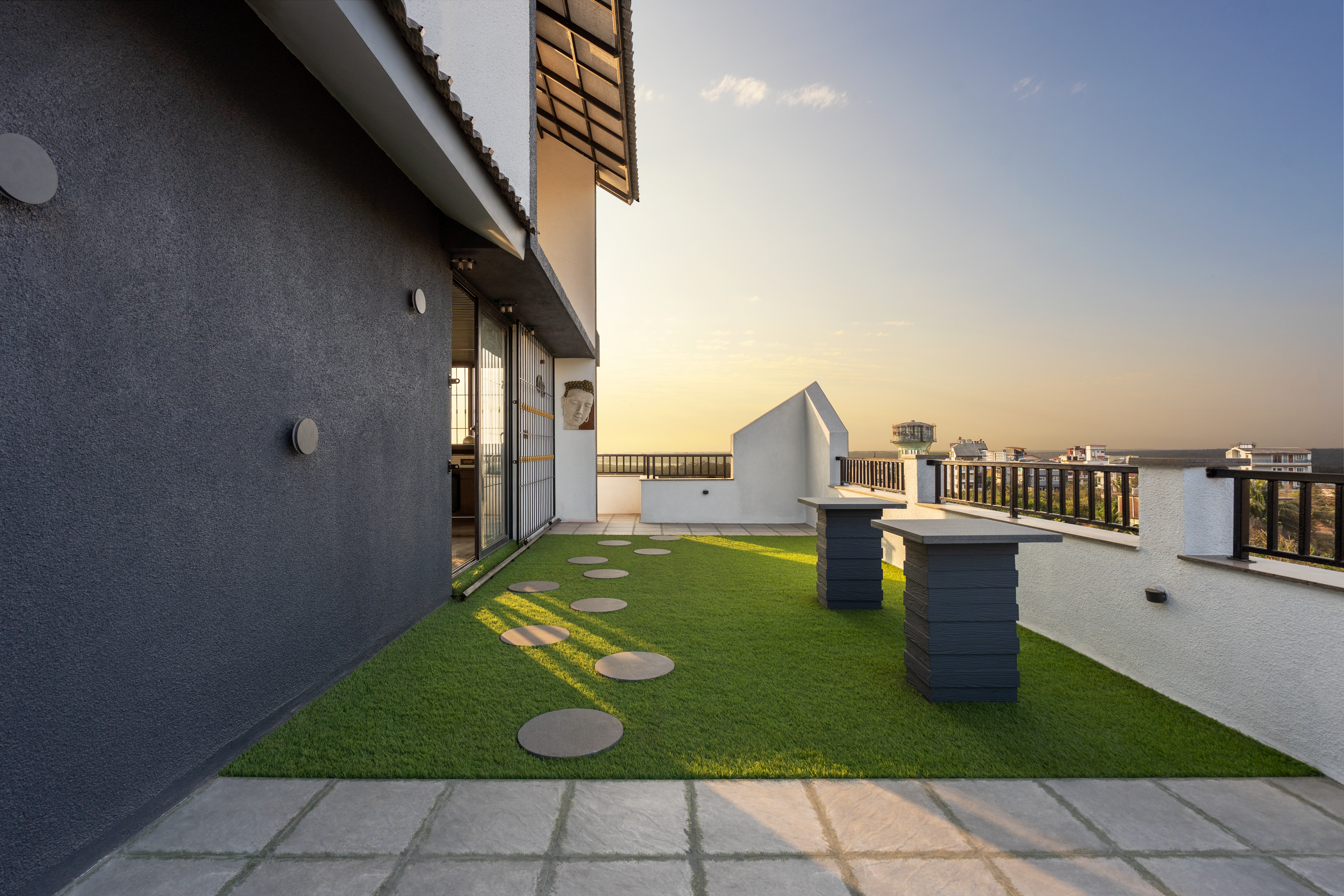
This intentional blending of environments goes beyond aesthetics. It creates a rhythm of life where relaxation and rejuvenation are built into our everyday routines. Morning coffee becomes a mindful ritual, and evening unwinding is enriched by the gentle embrace of nature. By merging the serenity of the outdoors with the comfort of home, we can craft spaces that not only elevate our living experience but also support our mental and emotional health. These sanctuaries offer a perfect balance—grounding us with the stability of nature while inspiring us with its beauty.
Whether you’re designing your dream home or looking to enhance an existing space, consider how indoor-outdoor integration can transform your surroundings. Let nature be your ally in creating a home that nurtures reflection, promotes well-being, and provides a constant source of inspiration. In a world that moves too quickly, we must intentionally design spaces that encourage us to slow down, reconnect, and thrive. The fusion of indoor and outdoor living is more than a design trend—it’s a philosophy that reminds us of life’s simple joys and the restorative power of nature.
How we do it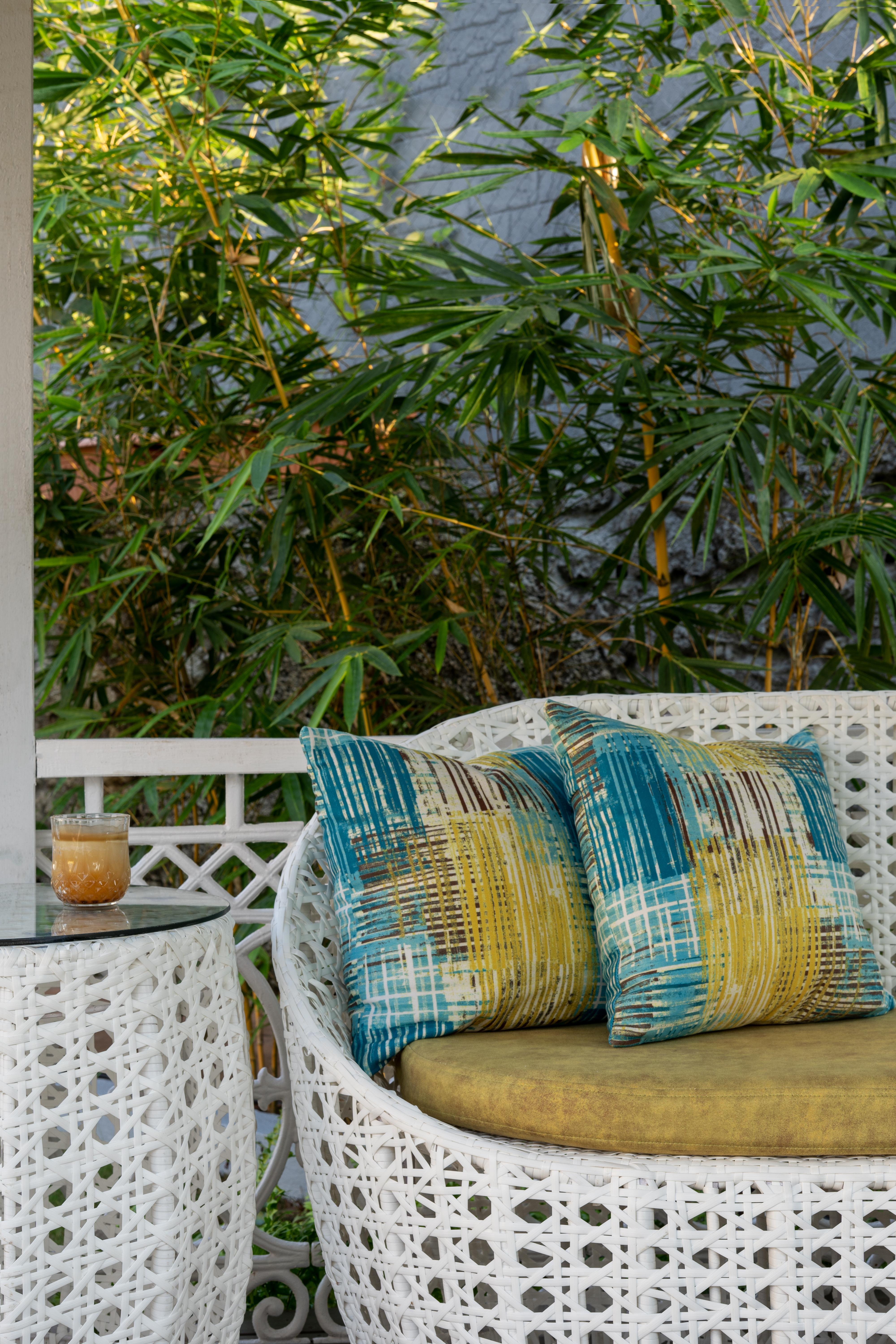 Creating a harmonious balance between nature and interiors requires thoughtful planning and a keen eye for detail. Selecting the right furnishings, materials, and natural elements to bring the essence of the outdoors inside involves more than just adding greenery or natural textures—it’s about seamlessly integrating these elements into the overall aesthetic of the home. Each choice, from the type of wood to the style of furnishings, must align with the personal preferences and lifestyle of those who live there while maintaining a cohesive design language.
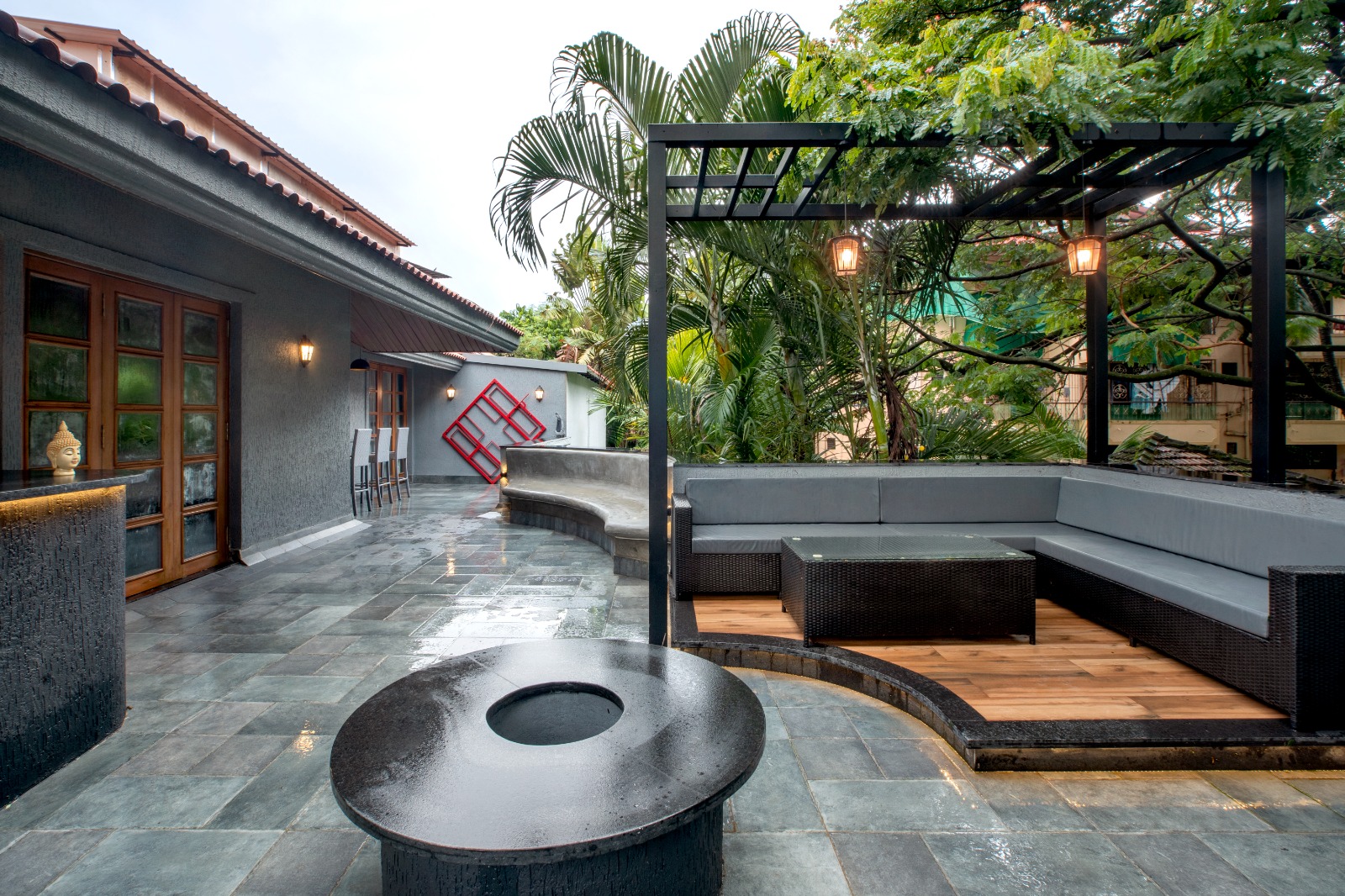 Achieving this balance can be challenging, as it requires not only an understanding of design principles but also knowledge of sustainable materials, spatial planning, and how natural elements interact with lighting and layout. This is why working with an interior designer can make all the difference. Designers have the expertise to interpret your vision, curate pieces that reflect your style, and ensure that the inclusion of natural elements enhances rather than disrupts the space.
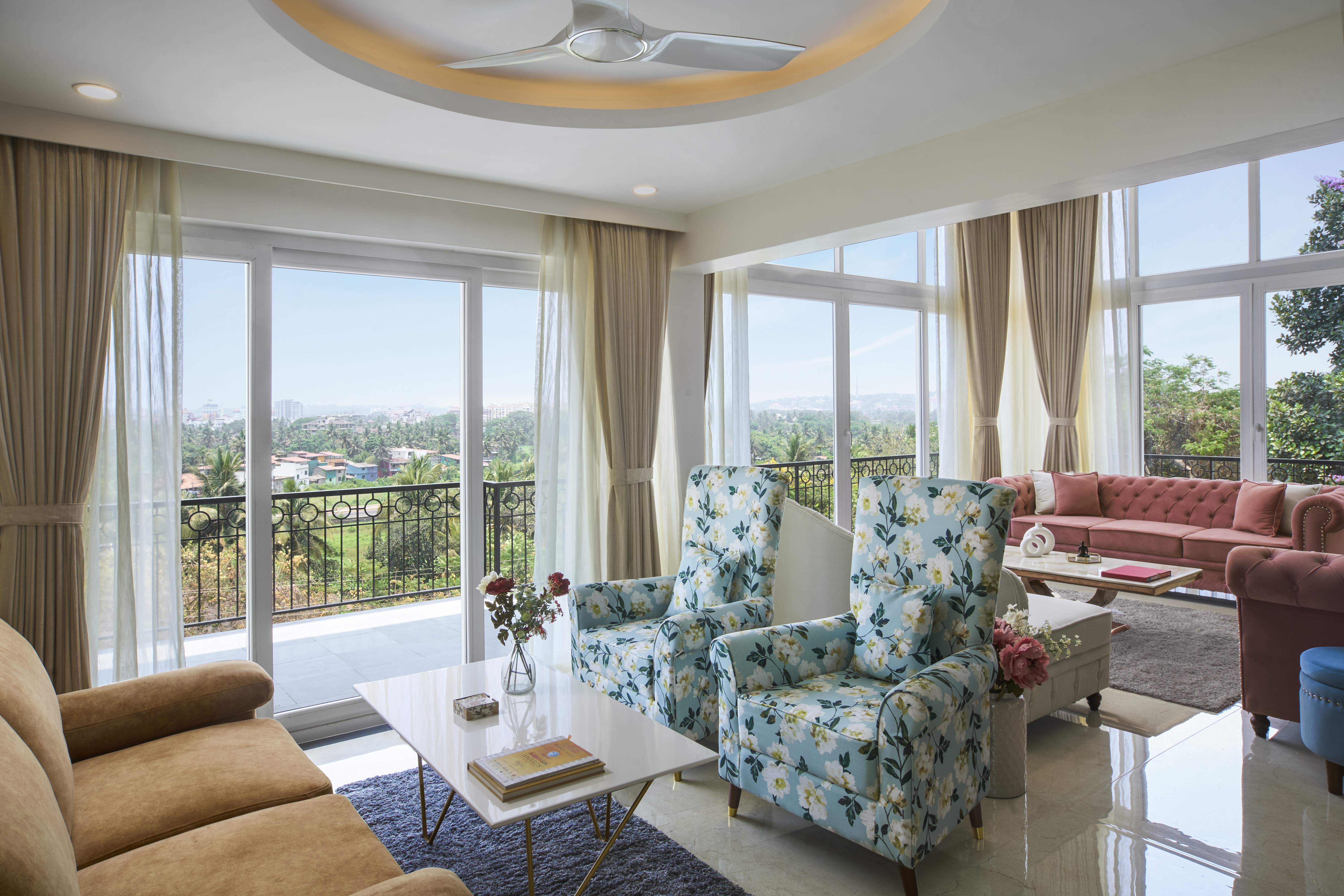 Incorporating the essence of nature into home design involves a blend of thoughtful choices and creative techniques that transform interiors into serene, inviting spaces. Natural materials like wood, stone, bamboo, and cork bring organic textures and earthy tones that ground the home while creating warmth and comfort. This connection to the natural world is further enhanced by biophilic design, which integrates greenery through living walls, indoor gardens, and other natural elements, offering both visual and sensory benefits.
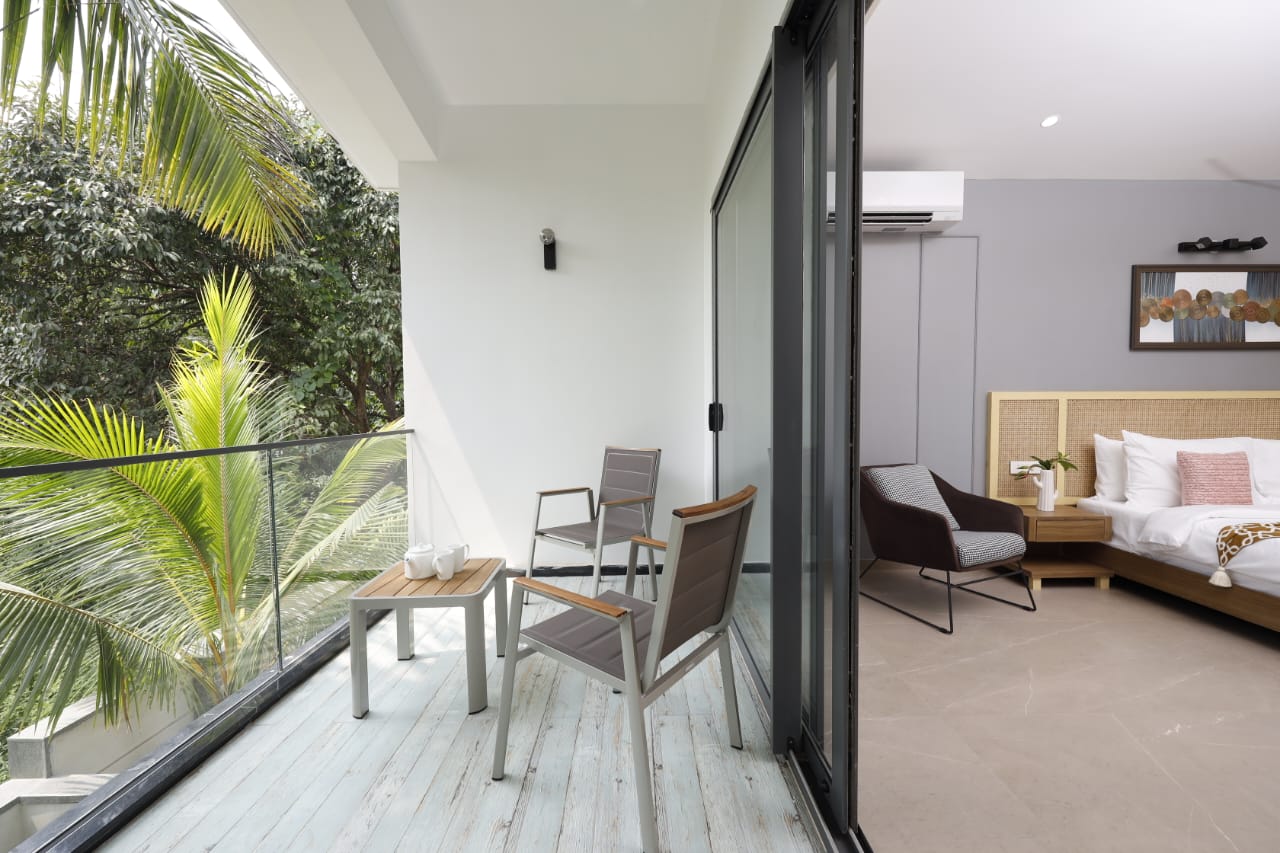 Maximizing natural light through large windows, skylights, and glass doors dissolves barriers between indoors and outdoors, flooding spaces with sunlight and uninterrupted views of nature. Indoor greenery, such as houseplants or herb gardens, improves air quality and adds a vibrant, soothing ambiance to any room. Seamless transitions, like extending living areas into patios or balconies with sliding glass doors or pergolas, encourage a harmonious flow between indoor and outdoor living. Finally, nature-inspired colors and patterns, such as ocean blues, forest greens, and earthy browns, evoke a sense of calm and connection, while botanical motifs in textiles and decor add a subtle yet impactful nod to the natural world. Together, these elements create spaces that are not only aesthetically pleasing but also deeply restorative.
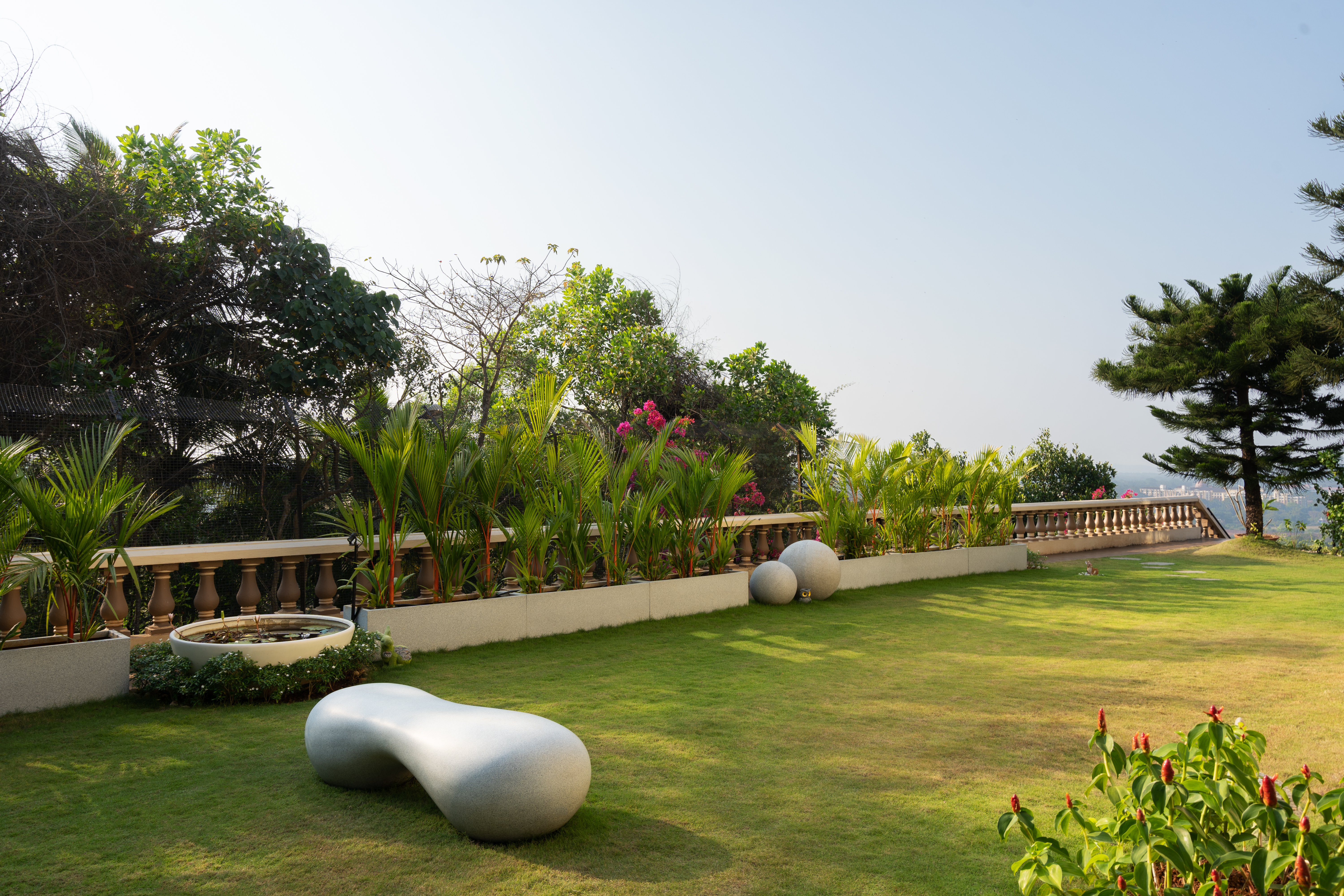 An interior designer brings professional insight, blending functionality with beauty while adhering to your specific tastes. They can also introduce innovative ideas, such as biophilic design principles, custom furniture solutions, or sustainable materials, that might not have been considered otherwise. By collaborating with a designer, you not only save time and effort but also ensure that your home becomes a serene, nature-inspired retreat tailored perfectly to your needs.
Answers to the most asked questions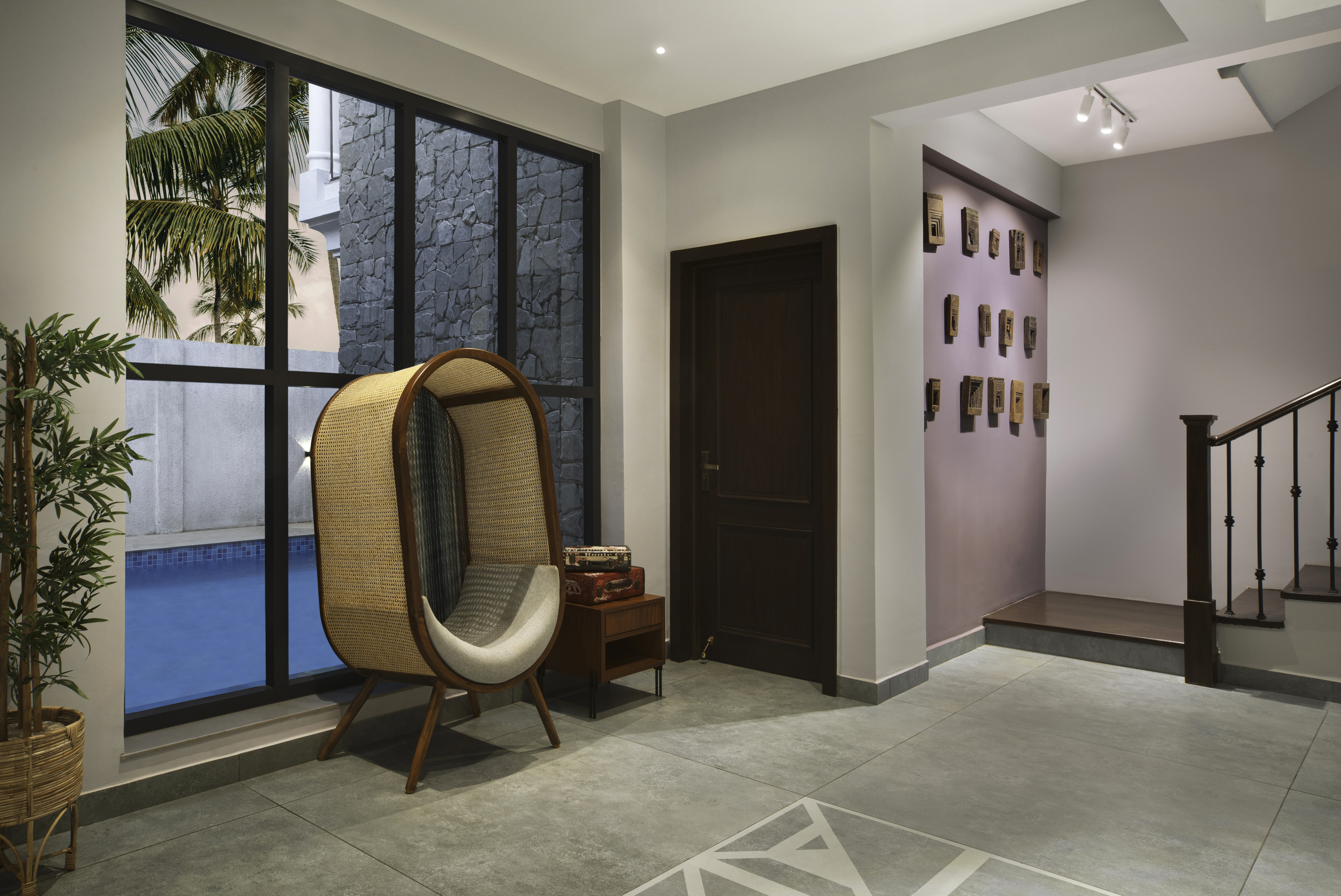
What are the easiest ways to bring nature into my home?
Simple ways include adding houseplants, using natural materials like wood and stone in furnishings, maximizing natural light with large windows, and incorporating nature-inspired colors and patterns in decor. Setting up a small indoor garden or adding greenery to balconies and patios can also make a big difference.
Are natural materials sustainable?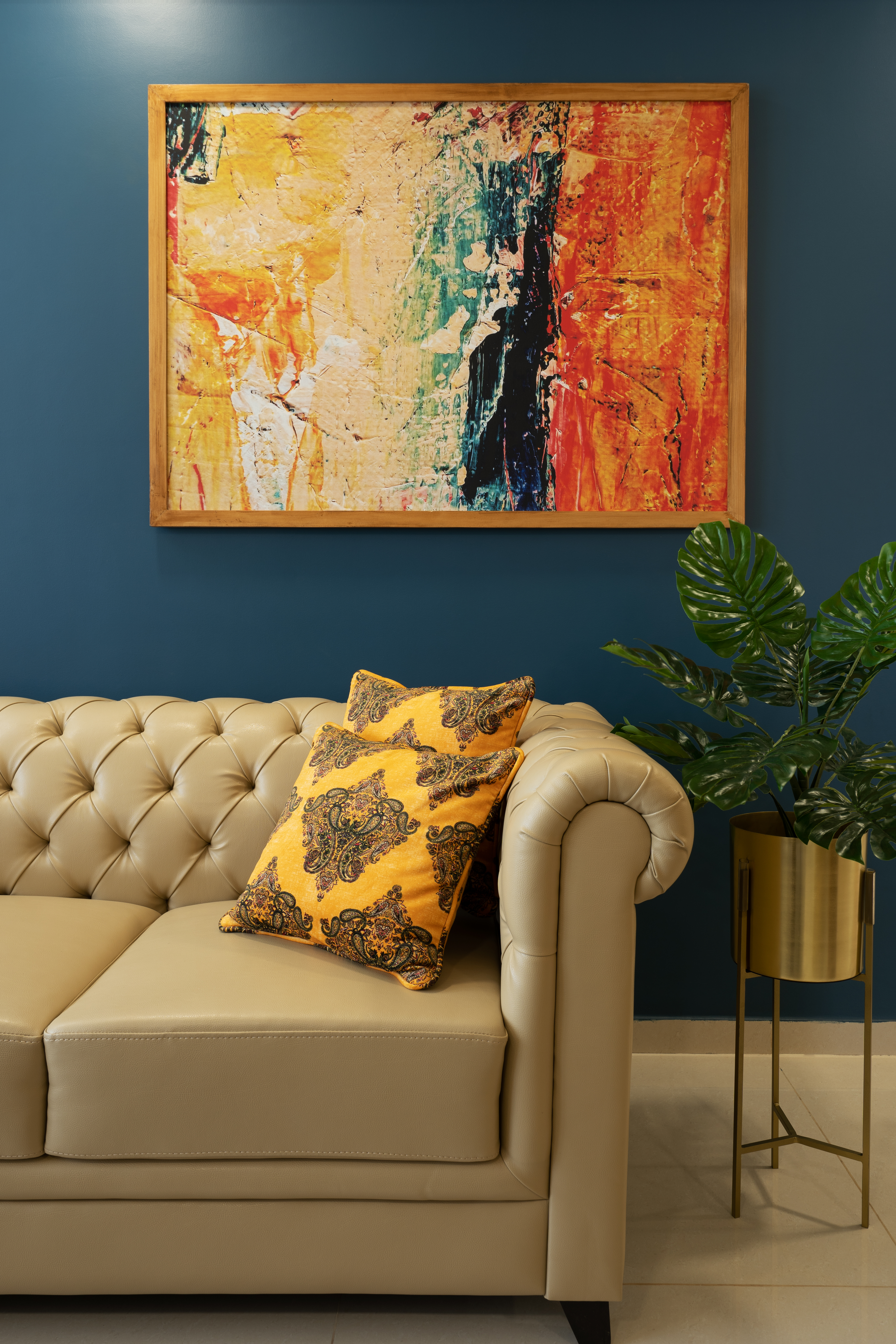 Yes, many natural materials like bamboo, cork, and reclaimed wood are sustainable and eco-friendly. Ensure the materials you choose are ethically sourced and certified to support environmentally responsible practices
Can nature integration be done in small homes or apartments?
Absolutely! Even small spaces can benefit from natural elements. Use compact potted plants, vertical gardens, or hanging planters. Maximize natural light and incorporate nature-inspired decor or textures in smaller doses for a big impact.
What colors or patterns go well with this integration?
Nature-inspired colors like greens, blues, and earthy browns evoke a calming and grounded feel. Patterns featuring botanical or organic motifs enhance the connection to the natural world and add a layer of texture and visual interest.
NOTE* Integrating nature doesn’t mean you have to compromise on your home’s planned aesthetic. Whether your style is modern, minimalist, bohemian, or traditional, nature-inspired elements can be seamlessly incorporated to complement and enhance the overall design vision.
Should I consult a professional for designing nature-integrated interiors?
While you can make many changes on your own, consulting an interior designer ensures a cohesive, well-executed design that aligns with your style and space. Professionals can provide creative ideas, source sustainable materials, and balance aesthetics with functionality.
To conclude…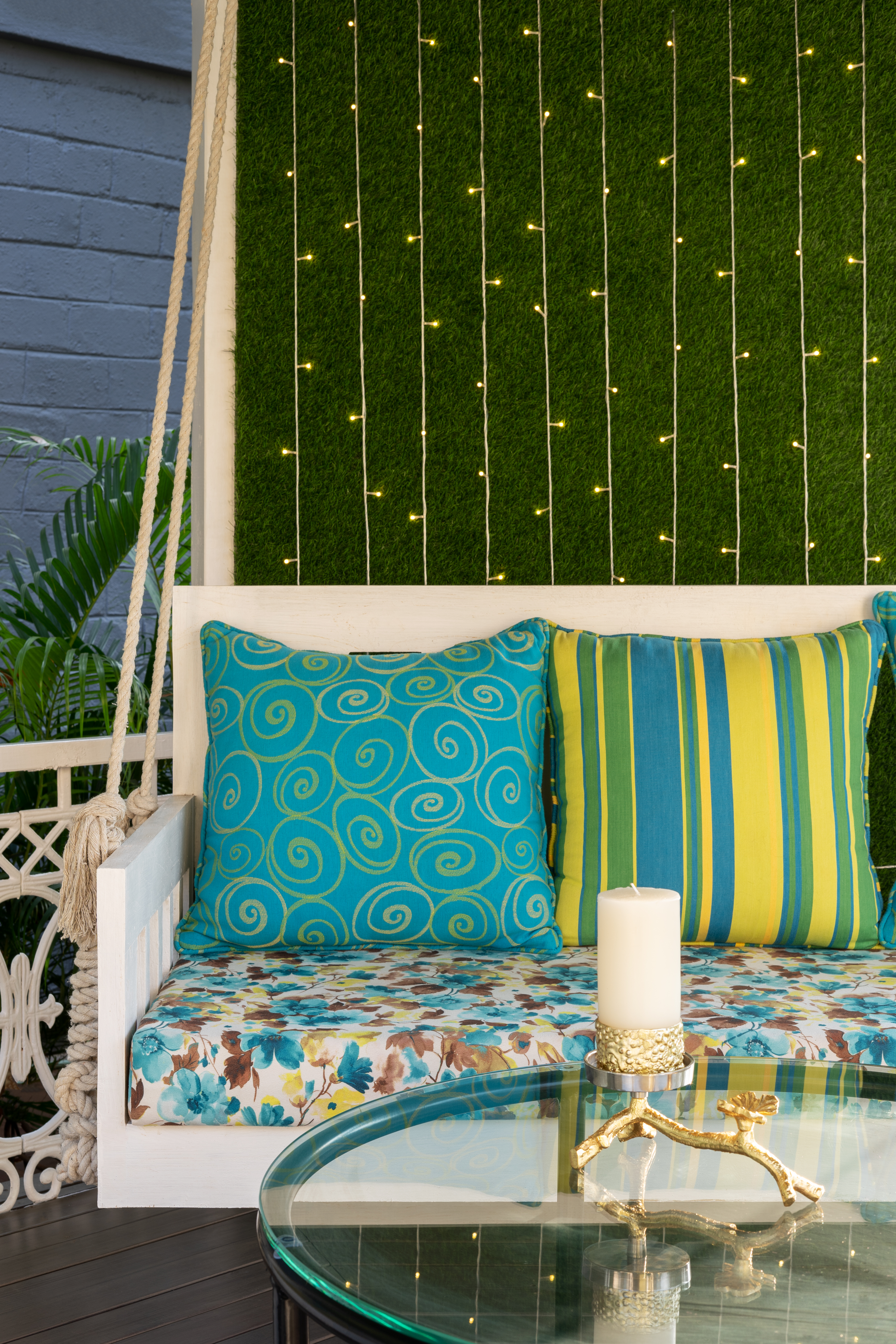 In today’s fast-paced world, creating spaces that blend indoor and outdoor elements is key to fostering relaxation and well-being. Thoughtfully designed interiors that incorporate natural materials, greenery, and ample natural light transform homes into sanctuaries that nurture the body and mind. These spaces don’t just enhance aesthetics—they promote emotional health, reduce stress, and encourage connection with nature. Integrating nature into your home creates a harmonious balance, grounding you with nature’s beauty while offering moments of peace and reflection. Whether you're designing a new space or refreshing an existing one, consider the profound impact nature can have on your well-being. With the right design choices, your home can become a sanctuary that supports both comfort and mindfulness.